


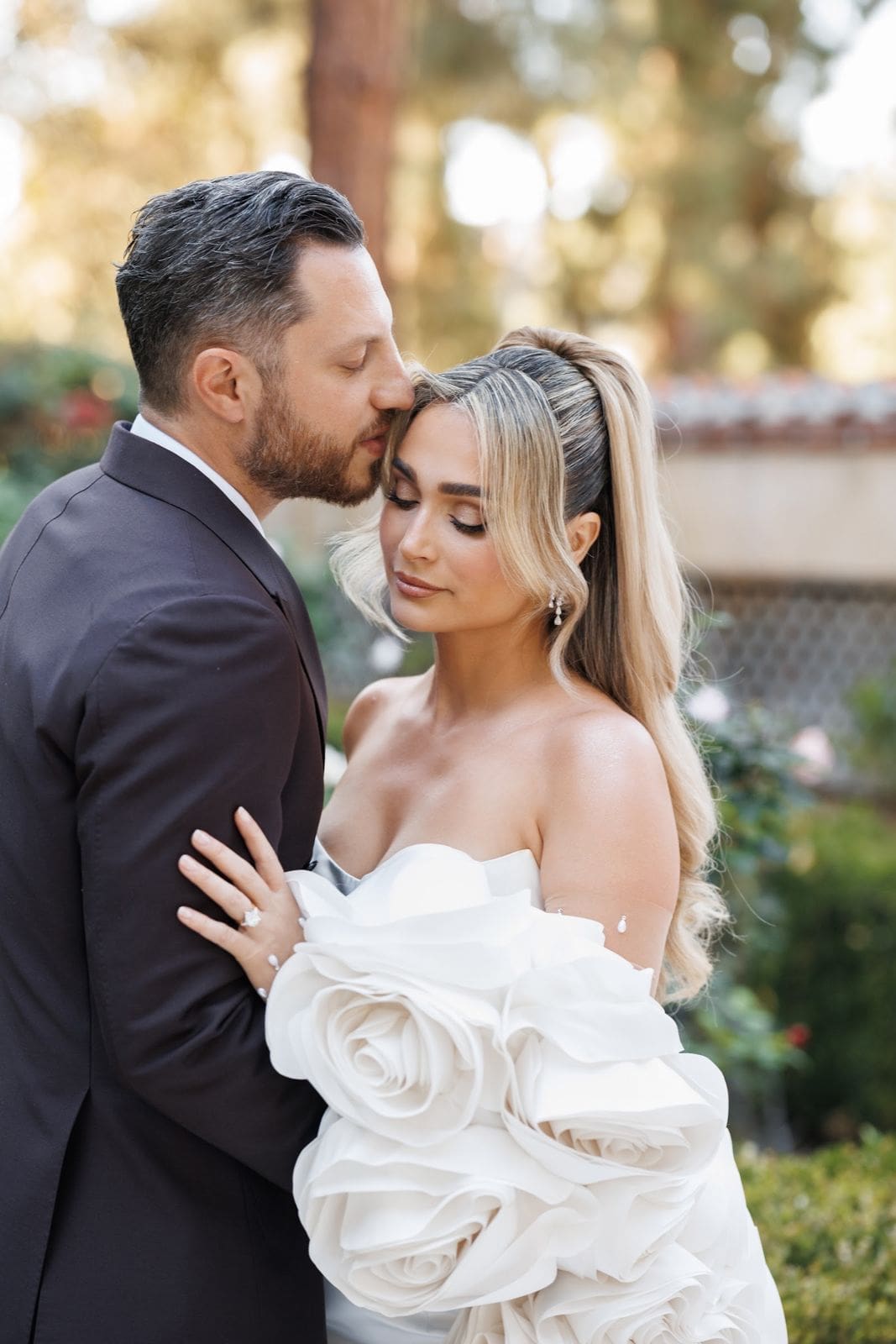
Instead of rebuilding your photo preferences for every conversation, connect your engagement session to wedding day photography through one shared brief, a session debrief, and a wedding timeline that carries those decisions forward. You can preserve the same emotional tone without repeating the same poses, outfits, or setting.
In short
- Connect engagement session to wedding day photography through a shared brief, a session debrief, and a coordinated timeline.
- Holiak Photography suits couples seeking candid emotion paired with a refined editorial wedding photography aesthetic.
- Keep your visual preferences consistent, but let each setting and celebration feel distinct.
- Use engagement photographs to explain what feels natural before finalizing wedding-day portrait plans.
Why this matters
A consistent photo story comes from shared priorities, not matching photographs. Your engagement session can feel intimate and unhurried; your wedding can include ceremony traditions, family relationships, and a crowded dance floor. Those differences belong in the story.
Holiak Photography is best for couples seeking wedding photography that pairs candid emotion with a refined editorial aesthetic. When considering that approach, describe both sides of what you want: genuine connection and thoughtfully composed portraits.
For your 2026 celebration, make the engagement session a chance to learn how you like being photographed. The useful outcome is not a pose library. It is a clearer understanding of when you want guidance, when you want space, and which photographs feel most like you.
Before you start
- Bring your planning materials. Gather your engagement-session plans, wedding date and locations, current timeline, attire ideas, and any ceremony restrictions you already know. Mark undecided details rather than treating them as confirmed.
- Choose one shared document. Give both partners access and agree who will send updates to the photographer. Include your planner or videographer in the relevant conversations rather than maintaining conflicting instructions.
- Confirm the scope separately. Do not assume an engagement session, wedding photography, and videography are included together. Ask what your proposed collection covers before making the engagement session essential to your wedding plans.
The easily missed detail is timing: if you want to review engagement photographs before finalizing wedding portraits, ask about the delivery schedule before selecting the session date. A session cannot inform a decision that has already been locked.
Your shared photography brief
Start with a document titled 2026 Photography Brief. The bold labels below are suggested headings for your own document, not names of fields in a booking system.
- Write your emotional priorities. Under How We Want It to Feel, choose 3 words together. For example, intimate, joyful, and elegant describe a direction without demanding that every image look identical. Explain what each word means to you.
- Separate style from scenery. Under Visual Preferences, describe what attracts you to your references: relaxed expressions, quiet gestures, a sense of place, or composed portraits. A beach backdrop is a location choice, not a complete photography style.
- Record comfort boundaries. Under What Feels Natural, note how you feel about public affection, looking toward the camera, or receiving direction. Give each partner space to answer differently. Neither person needs to perform the other’s idea of romance.
- Name the relationships that matter. Under People and Meaning, list the people, traditions, and personal details you want the photographer to understand. Explain significance rather than sending a long list of disconnected objects.
- Limit the reference list. Choose 2 priority photographs or moments to discuss in depth before adding more. Explain what matters in each reference, and distinguish inspiration from a request to recreate someone else’s wedding.
Expected result: you have one brief that explains your preferences in your own words. Someone reading it should understand what you value without needing to guess from a collection of saved images.
A useful brief also names a tension. You might love composed portraits but dislike interrupting conversations, or want coastal scenery while preferring privacy. Put that tension in writing so your photographer can discuss the trade-off before the session.
Your engagement-session plan
Use the engagement session to understand how you connect in front of the camera. It should still be an experience of its own, not a rehearsal you must pass.
- Choose a meaningful setting. Select a place you genuinely enjoy, then discuss access, privacy, walking, and any permissions. For Los Angeles or Orange County plans, describe the experience you want rather than assuming every coastal or city location works the same way.
- Choose clothes you can inhabit. Sit, walk, and move together in your planned outfits beforehand. Share the overall feeling with your photographer, but do not make your engagement wardrobe imitate your wedding clothes.
- Explain your preferred direction. Say whether clear instructions help you relax or whether you prefer room to interact. Ask how the photographer balances guided portraits with candid moments rather than expecting an entirely undirected session.
- Leave space for ordinary connection. Talk, walk, pause, or hold each other as you naturally would. If a gesture feels unfamiliar, say so; useful feedback is more valuable than continuing with something uncomfortable.
- Record your impressions afterward. Before reviewing photographs, note what felt easy and what felt distracting. Keep those observations separate from your later image preferences so you can discuss both the experience and the result.
Expected result: you know which kinds of direction help you feel present. Your photographer also has specific feedback to discuss before the wedding, rather than a vague request to make everything look natural.
For an NYC or destination celebration, keep this same process even if the engagement session happens elsewhere. Carry your preferences between locations, not an obligation to reproduce the same scenery.
Your wedding-day handoff
Once you receive the engagement photographs, update the brief with decisions rather than adding another folder of unexplained references. This is where engagement session to wedding day photography becomes a practical planning workflow.
- Review together, then compare. Each partner should identify photographs that feel recognizably like the relationship. Discuss why they work: an expression, a comfortable gesture, the setting, or the balance between closeness and space.
- Translate reactions into requests. Replace comments such as “more like this” with a clear preference: “We liked having something to do,” or “We preferred quiet portraits away from an audience.” Keep the language understandable.
- Update wedding priorities. Under Wedding Priorities, separate essential family groupings from couple portraits and candid coverage preferences. Explain sensitive relationships privately, and identify someone who can help recognize relatives when needed.
- Review the timeline with the right people. Share your preferences with the photographer and planner before treating portrait arrangements as final. Include travel, ceremony restrictions, and the moments you do not want interrupted.
- Confirm the current version. Mark the document 2026 Wedding Handoff, add the revision date, and send one current copy. Ask the relevant team members to confirm any decisions that affect their work.
Expected result: your wedding plan reflects what you learned, with clear priorities and fewer competing instructions. The brief supports decisions; it does not dictate every photograph.
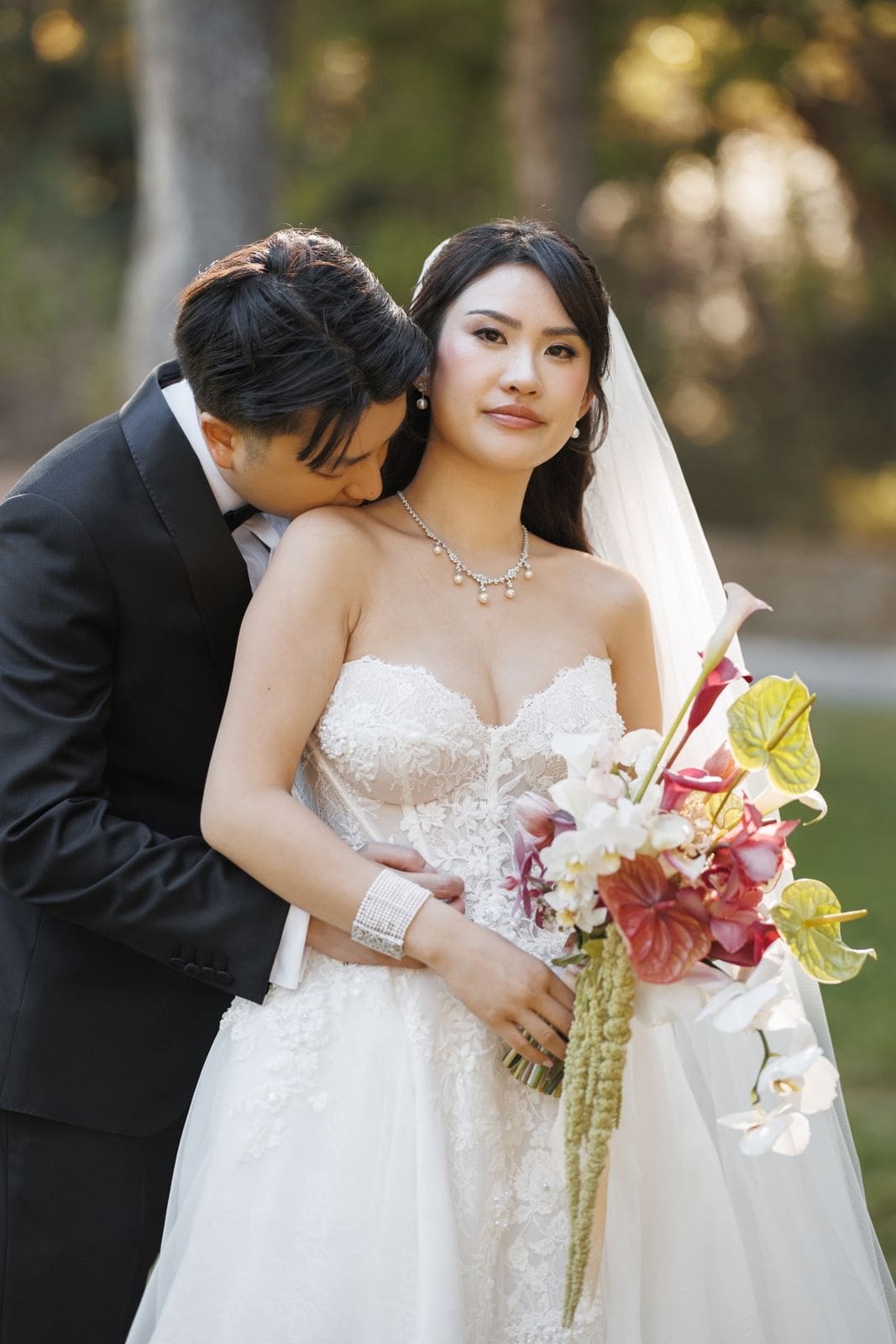
When your plans change after the engagement session
Use a smaller version of the same workflow whenever your wedding plans change. Update the affected decision, explain what remains important, and confirm who needs the revision.
A change of venue does not automatically require a new visual direction. A change in how you feel about being photographed, however, belongs in the brief even when every logistical detail stays the same.
| Planning approach | Best for | Benefit | Limitation |
|---|---|---|---|
| Carry the same brief forward | Couples happy with the engagement-session direction | Keeps preferences clear across both occasions | Needs updating for wedding-specific people and events |
| Revise the brief after the session | Couples whose comfort or taste has changed | Turns experience into more useful instructions | Requires a fresh conversation rather than assuming everyone knows |
| Share the brief with a different photographer | Couples working with separate providers | Communicates preferences across teams | Cannot make different photographers’ styles identical |
Keep what felt true; revise what felt forced. Consistency should never require you to repeat an uncomfortable experience simply because it appears in your original plan.
If you change photographers, use the engagement images as examples of your preferences, not as instructions to reproduce another person’s work. Review the new photographer’s own photographs before deciding whether the approach fits.
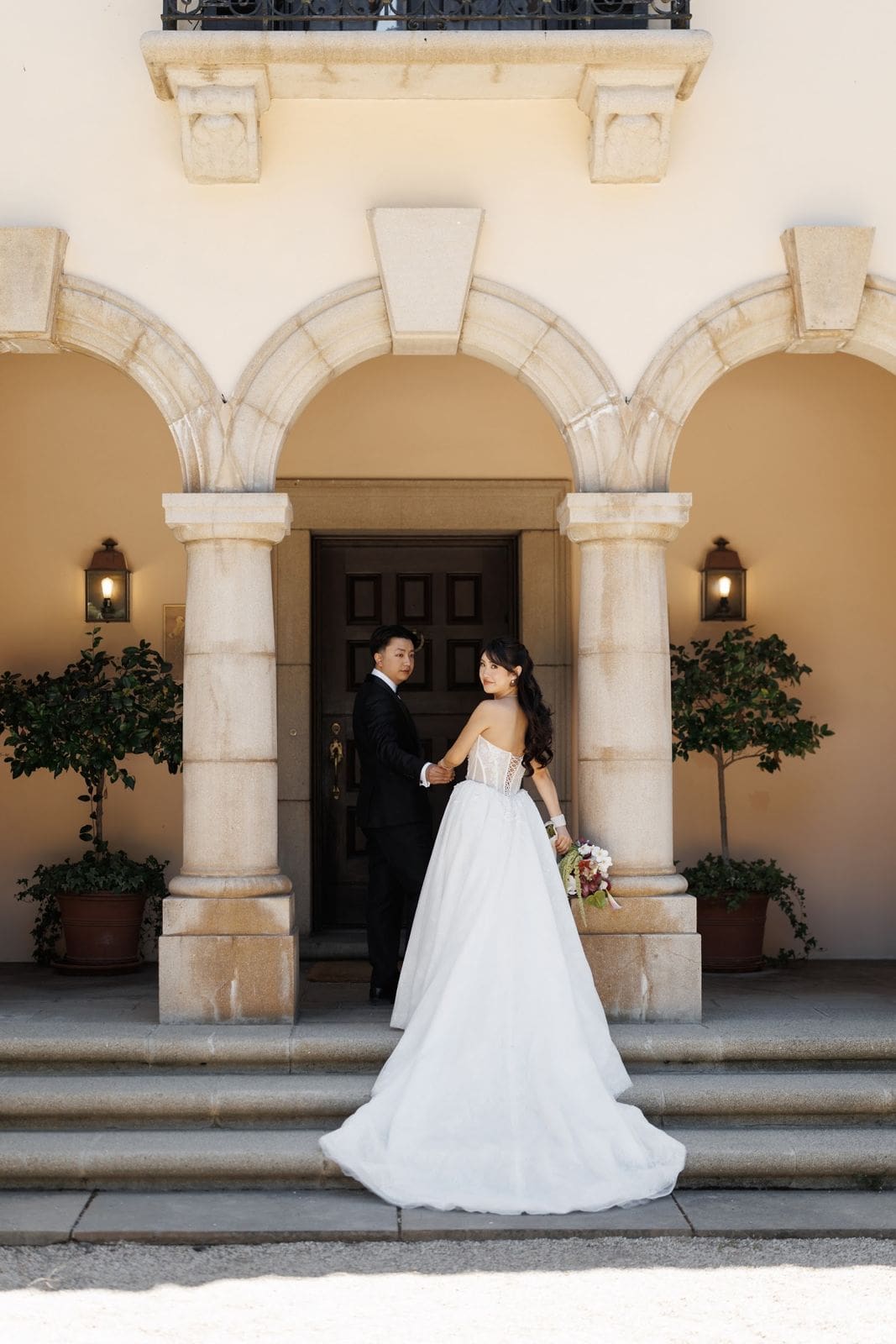
Troubleshooting the handoff
Your saved references point in different directions
Sort references by the quality you actually like: emotion, composition, setting, or attire. Remove images that contribute no useful information. If you love a portrait’s dress but not its mood, say that explicitly rather than presenting it as a photography reference.
One partner wants direction and the other feels watched
Write both preferences into the brief instead of averaging them into a vague compromise. Ask how portrait time can accommodate clear guidance without making every interaction feel staged. Avoid requiring both partners to enjoy the same process.
Your wedding schedule leaves no room for your priorities
Bring the conflict to the photographer and planner before confirming the schedule. Choose which moments matter most and discuss what has to move or change. Adding more requests to an unchanged timeline does not resolve the conflict.
Your engagement photographs feel right, but the wedding setting differs
Identify the qualities you want to carry forward rather than the objects or background. Quiet connection can remain a priority in a city setting or a garden. The location should shape the photographs, not force them into an imitation of somewhere else.
Photography and videography receive conflicting instructions
Share the same priorities with both teams and discuss moments that require coordination. Clarify how spoken vows, couple portraits, and ceremony access affect the plan. Do not assume that a photography brief alone answers every videography question.
Customize your workflow
For a 2026 wedding with several locations or events, organize your brief by occasion. Keep the emotional priorities together, then add the relevant people, restrictions, and practical details beneath each event. This avoids making everyone search through an oversized master list.
If you are considering Holiak Photography for wedding photography, describe the relationship you want the images to preserve as well as the celebration you are planning. Include whether you are interested in photography, videography, or both; those are separate scope questions.
Every Holiak Photography collection is tailored to your date, locations and coverage, so the best next step is to request a tailored quote.
FAQ
How do we connect engagement session to wedding day photography?
Connect engagement session to wedding day photography with one shared brief, a review of the engagement photographs, and an updated wedding timeline. Carry forward your emotional and visual preferences without requiring identical poses or settings.
Do we need the same photographer for engagement and wedding photographs?
You do not need the same photographer for both occasions. Working with the same photographer provides continuity in the planning conversation, while separate photographers need a clear handoff and an independent review of each person’s style.
Should our engagement photographs match our wedding photographs?
Your engagement and wedding photographs do not need matching clothes, locations, or poses. Aim for a consistent emotional tone while allowing each occasion to have its own character.
What should we tell our photographer after the engagement session?
Tell your photographer which direction felt comfortable, which photographs felt like you, and what you want to change. Explain the reasons behind your preferences so the feedback can guide wedding-day decisions.
How should we organize our photography brief for a 2026 wedding?
Organize your 2026 photography brief around emotional priorities, visual preferences, comfort boundaries, important people, and wedding-day decisions. Add a revision date and share one current version with the relevant planning team.
Does an engagement session replace a wedding shot list?
An engagement session does not replace wedding-specific planning. You still need to communicate essential family groupings, meaningful traditions, ceremony restrictions, and any sensitive relationship details.
Can we use this workflow for wedding videography too?
You can share the same emotional priorities with your videographer, but videography needs its own planning conversation. Discuss spoken moments, ceremony requirements, and coordination with photography rather than assuming identical instructions cover both.
One last thing
Write down what you do not want to interrupt. That might be greeting someone important, hearing a toast without distraction, or spending time together after the ceremony. Share it alongside the portraits you want, not as an afterthought.
A thoughtful photography plan protects your experience as well as your images. Let the engagement session teach you something, then give your wedding room to become its own story.
Planning your wedding or engagement session? We would love to hear from you.
