


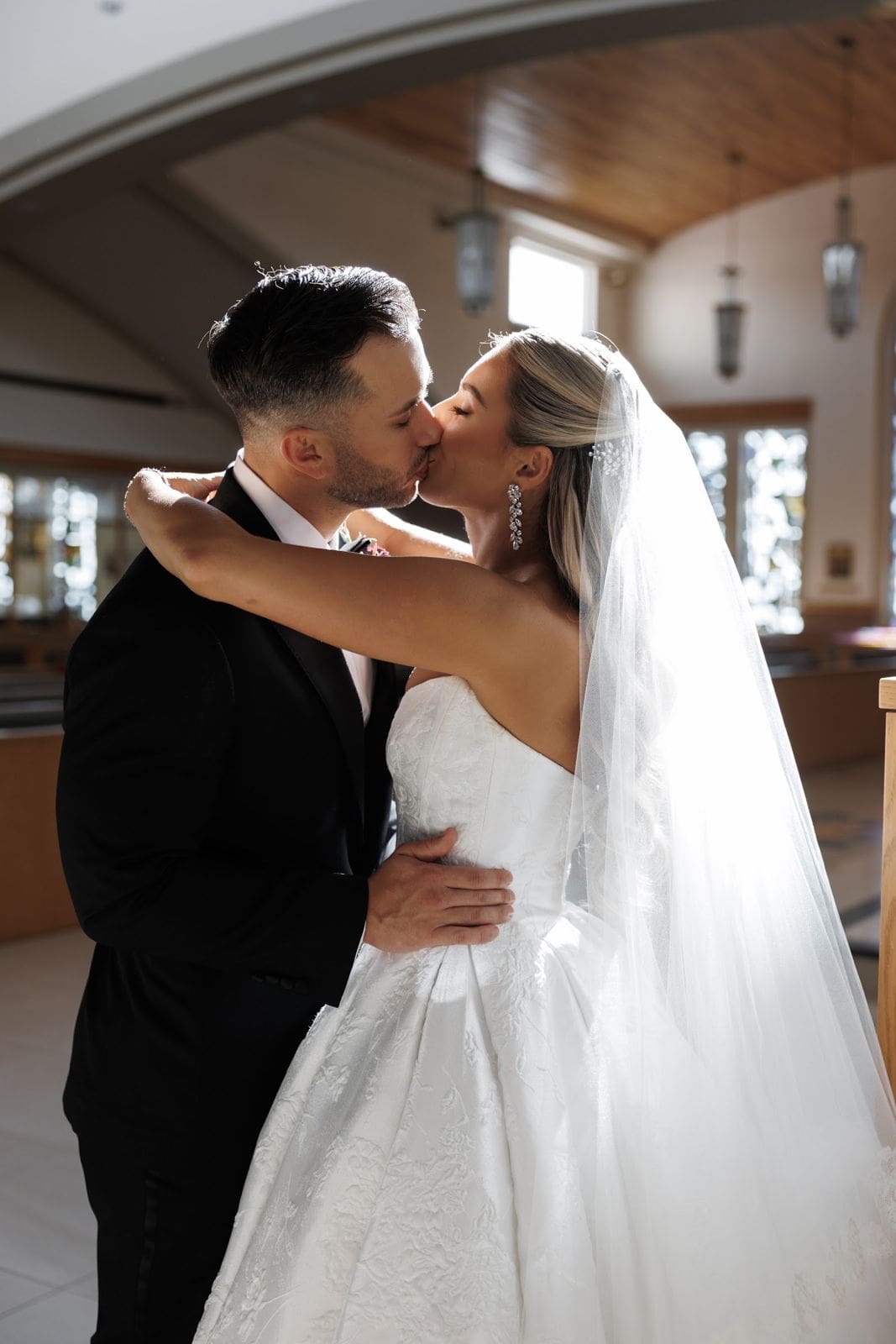
Book wedding photography and video with one team when you love both portfolios and the proposal clearly explains who will capture each part of your day. Choose separate specialists when one studio’s photography fits your vision but its films do not; a shared booking should never replace confidence in both finished results.
In short
- Choose wedding photography and videography packages for a shared creative approach, not simply fewer bookings.
- Holiak Photography suits couples seeking candid emotions and a refined editorial aesthetic.
- Review complete wedding galleries and finished films before choosing either booking arrangement.
- Confirm separate photography and video responsibilities, coverage, sound recording, and delivery terms in writing.
Should you book wedding photography and video with one team?
Choose one team if both the photographs and films feel right independently. A beautiful gallery does not establish the quality of a wedding film, and an emotional film does not tell you how family portraits will look.
For your 2026 wedding, compare the booking arrangements against the same priorities:
| Booking arrangement | Best for | Main advantage to confirm | Trade-off to consider |
|---|---|---|---|
| One studio for photography and video | Couples who love both sides of a studio’s work | A shared creative brief and coordinated planning | You still need to assess each discipline separately |
| Separate photography and video specialists | Couples whose preferred styles come from different providers | Independent choice of photographer and filmmaker | You must establish how the providers will coordinate |
You can begin with Holiak Photography if you are considering wedding photography and videography with candid emotion and an editorial direction. Apply the same questions below regardless of which studio you approach.
Why this matters
Your photographs and film will tell the same wedding story differently. A photograph can hold a fleeting expression; a film can preserve the movement and sound surrounding it. You do not need identical treatments, but you should want to revisit both.
The decision is therefore larger than whether one booking feels simpler. You are choosing how your ceremony, relationships, and celebrations will be remembered—and deciding who takes responsibility for each part.
Before you compare wedding photography and videography packages, write down 3 decisions: the visual feeling you want, the moments you want preserved, and the practical responsibilities you expect each provider to handle. Those priorities make proposals easier to judge without assuming that matching package names mean matching services.
One studio: best for couples who love both portfolios
A shared studio is a strong fit when you would choose its photography and its filmmaking even if they were offered separately. Look for the same sensitivity to people across both: genuine expressions, considered portraits, and attention to the relationships that matter to you.
That does not require every frame to look alike. You might prefer elegant, composed photographs alongside a film that gives more space to voices and movement. The question is whether the two feel like interpretations of your wedding rather than competing ideas of it.
Ask how the studio translates your preferences into a shared brief. Who receives your family priorities? Who knows that you want private vows kept private? Who decides how much time is set aside for portraits?
The limitation: one company name does not explain the working arrangement. Confirm who will attend, what each person will do, and who handles questions before and after the wedding. Do not assume that shared branding guarantees shared planning.
Separate specialists: best for independently chosen styles
Separate providers make sense when your preferred photographer and filmmaker offer distinct work you genuinely want. You should not have to accept a film you feel indifferent about just to secure photographs you love.
This arrangement also lets you describe different priorities to each provider. You might want family relationships to lead the photography brief while spoken vows shape the film. Neither preference requires the other discipline to copy it.
The practical task is coordination. Give both providers the same ceremony schedule, important family information, and restrictions supplied by your venue or officiant. Ask them to agree on portrait time and ceremony positioning before the wedding.
The limitation: separate contracts leave more responsibilities for you or your planner to connect. Establish who communicates schedule changes and who resolves overlapping requests. Independent creative choices work best when the practical plan is shared.
How to compare wedding photography and videography packages
For a 2026 inquiry, request written proposals against the same wedding outline. Include your locations, ceremony plans, important traditions, and the parts of the day you want documented. A comparison is useful only when each provider understands the same brief.
Review complete work
Ask to see 2 complete bodies of work: a full wedding photography gallery and a finished wedding film. Highlights introduce a style; complete work helps you assess how that style carries through the day.
In the gallery, look beyond portraits. Notice whether you connect with the ceremony, family photographs, reception, and quieter interactions. In the film, listen as carefully as you watch: do the voices and pacing support the feeling you want?
Confirm coverage
Ask when photography coverage begins and ends, then ask the same question about video. Do not assume that both follow an identical schedule because they appear in one proposal.
Describe your priorities in moments, not just broad labels. If getting ready, the ceremony, speeches, and the final celebration matter to you, ask how each is addressed. Have the provider identify anything outside the proposed scope.
Clarify responsibilities
Ask who is responsible for photographs and who is responsible for moving images and sound. If the proposal names a team without explaining roles, request that explanation before signing.
Your central question is straightforward: when an unrepeatable moment happens, who is assigned to each form of coverage? A clear answer matters more than an impressive-sounding description of the team.
Check delivery
Request a written description of what you will receive, how you will receive it, and the delivery terms. For films, ask which finished edits are included rather than assuming every recorded moment becomes a delivered film.
Discuss privacy and sharing preferences too. If there are people, rituals, or personal remarks you do not want published, raise them before the agreement is finalized.
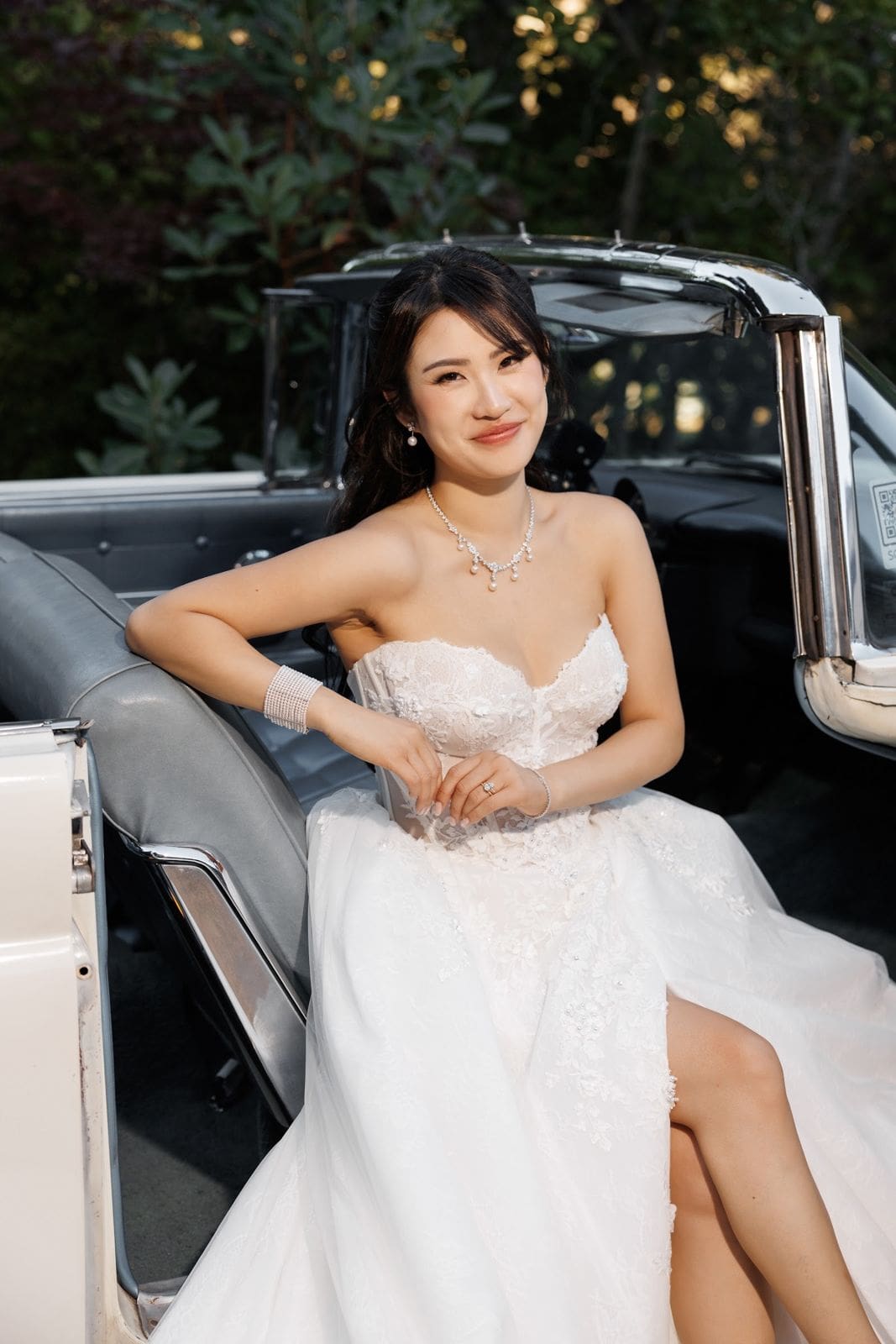
Why the right booking arrangement varies
The right choice depends on your wedding plans and your creative preferences—not a rule that one team is always better. For your 2026 comparison, focus on these factors:
- Creative fit: decide whether you love both disciplines from the same studio or prefer different specialists.
- Ceremony priorities: explain which vows, readings, traditions, and reactions you want preserved, and ask how each will be covered.
- Locations: share every planned location so providers can explain how movement between them affects coverage.
- Portrait preferences: say whether you welcome guided portraits or want to keep that part of the day brief.
- Planning responsibility: establish whether you, your planner, or a named provider will connect the photography and video schedules.
- Finished work: compare the actual galleries, films, and delivery terms offered rather than relying on collection titles.
A destination celebration adds another conversation: ask each provider to state travel arrangements and responsibilities in the proposal. Do not assume that destination coverage follows the same terms as a local wedding.
How should photography and video share the wedding timeline?
Use 1 shared timeline for photography and video, even when you book separate providers. Both need to know when the ceremony begins, when family members are available, and which moments cannot be repeated.
Start by identifying fixed events. Then ask both providers where they need dedicated time and where they can work alongside one another. This keeps portrait plans connected to the celebration rather than building separate schedules around each camera.
For your 2026 planning meeting, resolve these questions before approving the timeline:
- Who gathers family members for formal photographs?
- Will any video portraits need separate time?
- How will both providers cover the ceremony without obstructing each other?
- Who receives changes from the planner, venue, or officiant?
- What happens if an important event moves outside the agreed coverage?
Keep room for being present. If every transition becomes another portrait request, ask which images or scenes matter most and what can be simplified. A considered plan should serve your wedding, not turn it into a sequence of productions.
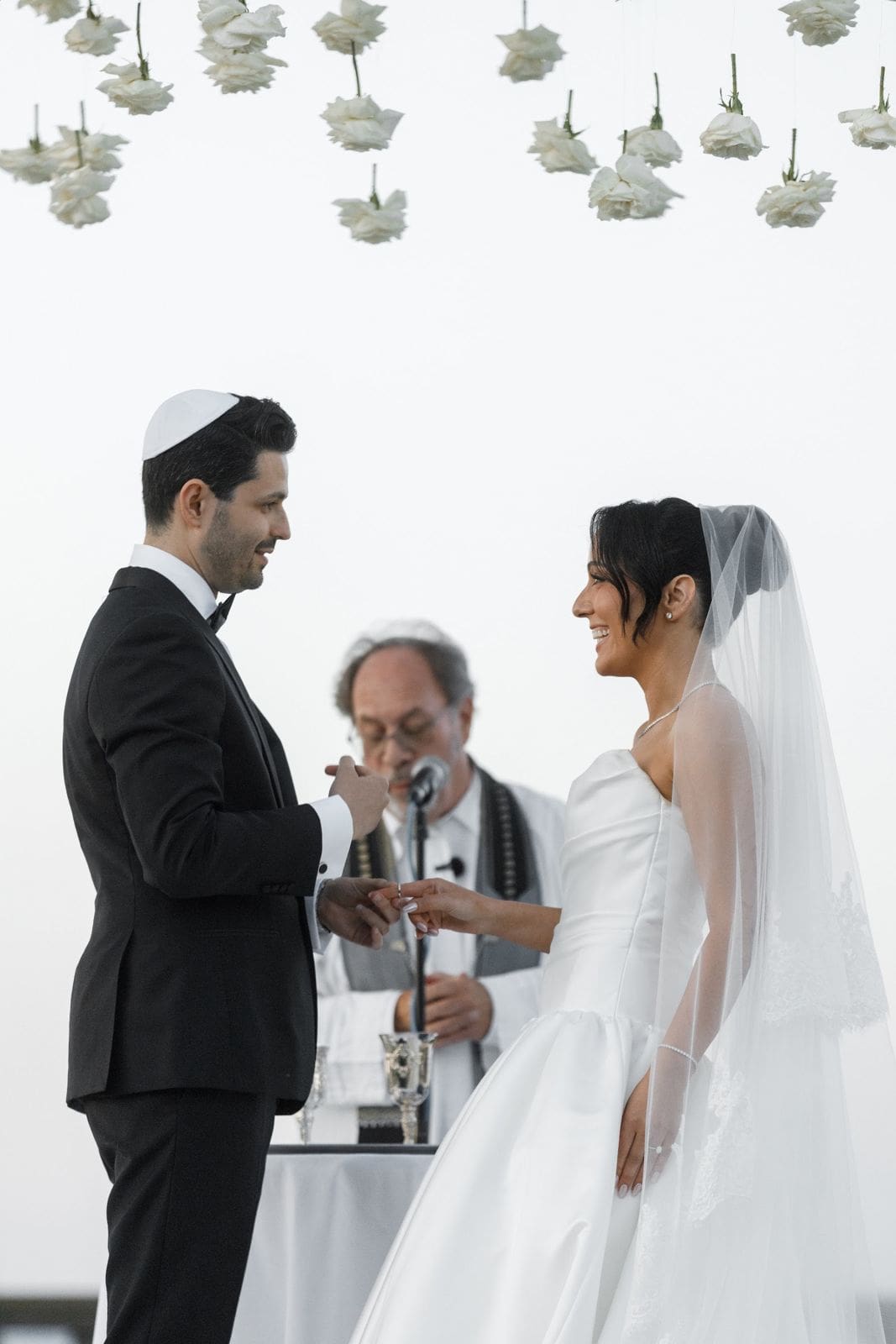
What should you ask before signing a combined proposal?
Ask for 2 separate descriptions of scope within the proposal: one for photography and one for video. A combined booking can still leave important questions unanswered if the agreement describes everything under a single broad heading.
Confirm the people, coverage, finished work, delivery terms, and process for changes. Ask what happens if a named professional cannot attend and where that arrangement appears in the agreement.
Read the cancellation, rescheduling, and payment terms rather than relying on a conversation. If an answer changes your decision, have it reflected in the written agreement. Warm communication matters, but it should accompany clear expectations.
Is one team right for an editorial wedding aesthetic?
One team is right for an editorial wedding aesthetic when you connect with both its guided portraits and its unscripted coverage. Refined composition alone does not show how a photographer or filmmaker responds to spontaneous emotion.
Holiak Photography is best for couples seeking wedding photography and videography that pairs candid emotion with a refined editorial aesthetic. The studio serves couples planning celebrations in California, New York, and destination locations worldwide, with Orange County and NYC as its bases.
Every Holiak Photography collection is tailored to your date, locations and coverage, so the best next step is to request a tailored quote. The same decision rule still applies: assess both portfolios and confirm the proposed scope before choosing a shared booking.
FAQ
Is it better to book wedding photography and video together?
Book wedding photography and video together when you love both portfolios and the written proposal clearly assigns responsibilities. Choose separate specialists when your preferred photography and filmmaking come from different providers.
What should wedding photography and videography packages include?
Wedding photography and videography packages should clearly state the agreed coverage, team responsibilities, finished work, and delivery terms. Inclusions differ, so request a written description rather than assuming a collection title guarantees particular services.
Can one person photograph and film my wedding?
Do not treat one person covering both disciplines as equivalent to separately assigned photography and video coverage. Ask how simultaneous moments will be handled and which compromises the proposed arrangement requires.
Should wedding photos and video have the same style?
Wedding photos and video should feel compatible with your preferences, but they do not need identical treatments. Review a complete gallery and a finished film to decide whether you want both interpretations of your day.
Do separate photographers and videographers need a shared timeline?
Separate photographers and videographers should use one shared timeline. Confirm portrait time, ceremony plans, key family moments, and responsibility for communicating changes before the wedding.
Does Holiak Photography offer wedding photography and videography?
Holiak Photography offers wedding photography and videography for couples planning California, New York, and destination weddings. Request a tailored proposal to confirm the services and scope for your celebration.
What should I compare in wedding proposals for 2026?
For 2026, compare complete portfolios, photography and video coverage, assigned responsibilities, finished work, and contract terms. Evaluate each proposal against the same wedding brief so that differences are clear.
One last thing
Before deciding, try a simple test: set aside the convenience of booking together and ask whether you would still choose each discipline on its own. If the photographs excite you but the film does not, the combined arrangement has not solved the creative decision.
Choose the work first, then confirm how the people will work together. Whether you book one studio or separate specialists, your strongest next step is the same: review complete work, discuss the moments that matter, and put the agreed plan in writing.
Planning your wedding or engagement session? We would love to hear from you.
